

A lot of people have questions about cosmetic dental procedures, especially Muslims who want to find answers that are associated with Islamic teachings. For instance, veneers are a popular way to improve the look of your smile, but a lot of people are not sure if they are spiritually acceptable.
Some also compare other treatments and ask similar questions such as is teeth whitening haram, is composite bonding haram, are braces haram, or are tooth gems haram, especially when considering cosmetic dental tourism options like Dental Veneers Turkey or Dental Crowns Turkey.
This article clarifies veneers in the perspective of Islamic morals to enable you to choose without confusion.
Scholarly Insights: Are Veneers Considered Haram in Islam?
Islam allows veneers based on the person’s intention, need, and treatment. A lot of Islamic scholars agree that halal dental work can fix discoloration, gaps, fractures, or other natural flaws. There is no need to change them; they help you heal and take care of yourself.
Veneers are controversial since some people wish to look different for no reason. Changes should not harm the tooth, affect its structure, or employ prohibited medicines, advise experts.
Veneers are often halal if utilized to address a problem, promote confidence, or protect oral health. Some experts believe it is improper to do something only to seem attractive.
This balanced perspective enables Muslims choose modern dental treatment while adhering to their beliefs.
Are Veneers Halal or Haram? Essential Islamic Principles to Consider
If you want to know is veneers haram, you should first learn about the basic rules that Islamic scholars use to decide.
1. Medical Reasons for Veneers
Dental health is important in Islam and most veneers are considered halal for medical or practical reasons. It can be hard to eat, speak, or clean when your teeth are broken, stained, cracked, or naturally out of place.
Also, veneers might be a good idea if your teeth make you feel bad about yourself or your social skills. In this case, a good reason is to boost one’s confidence.
But moderation is important: cosmetic surgery should only be done when it is really needed, not when it makes too many changes that are not needed.
2. Cosmetic Veneers in Islam: Allowed or Disliked?
If the goal is realistic and not just to look better, veneers for cosmetic reasons may be fine. The choice mostly depends on what the person wants to do and how much they changed things.
There are different opinions among Islamic scholars about veneers that are only used for looks. Islamic scholars dislike changing teeth’s natural features for no reason, especially to seem better. Islam emphasizes humility and discourages unjustified appearance changes.
But a lot of experts think that cosmetic veneers can help boost confidence, hide flaws, or boost self-esteem. The process is halal if it uses safe, non-harmful materials and does not change your body’s natural work process.
3. Do Veneers Affect Wudu or Salah Validity?
Veneers do not stop you from doing wudu or make your salah less acceptable. Most scholars agree that veneers do not make wudu invalid or make salah less acceptable. You can use permanent dental treatments like veneers just like you would with natural teeth, fillings, or crowns, as long as the water does not go through the teeth.
As long as the materials used are halal and the process does not add any impurity, getting veneers will not change how you pray. If someone has a little bleeding right after treatment, they only need to rinse their mouth well before praying.
4. Seeking Islamic Guidance Before Getting Veneers
An experienced Islamic leader can confirm that your veneer treatment is morally and personally halal.
Before making a decision, consult an educated Islamic scholar because veneer related islamic laws vary by intent, medical requirement, and material. Because people have various conditions, what works for one may not work for another.
The treatment should comply with Islamic law and not use any forbidden substances or make any changes that are beyond the need. A trusted scholar can help you figure out what your intentions are. This step gives you clarity, peace of mind, and hope that the dentist and the dental method you choose, even if using Dental Veneers Turkey services, will respect your faith and your health.
Is Teeth Whitening Considered Haram in Islam?
When done properly and without using harmful or forbidden materials, teeth whitening is permitted in Islam.
In Islam, teeth whitening for cosmetic reasons is okay because it does not change the nature of the teeth. It gets rid of spots and makes teeth white again. You can clean and take care of yourself.
The only thing specialists advise against is taking dangerous or illegal substances. Whitening teeth is legal in Islam if it is safe, modest, and uses no haram substances.
Does Composite Bonding Fall Under Haram Cosmetic Changes?
Composite bonding is great for useful reasons, but it might not be so great for visual appeal. People in Islam can get composite bonding to fix teeth that are chipped, cracked, or stained. Islamic concepts about health and happiness say that these methods should bring back normal function and beauty without changing the natural structure.
But some experts do not agree with it because it only associates with aesthetics. For this reason, physical changes might not be a good idea since Islam encourages intention and moderation.
Are Braces Halal or Haram According to Islamic Teachings?
According to Islam, braces are okay as long as they are used to fix a problem and not just to look better.
Many Muslims believe braces are halal since they correct real dental ailments including crooked or misaligned teeth, too many teeth in one space, bite abnormalities, and trouble speaking or biting. Scholars say braces are excellent for teeth because they restore function and promote oral health, not affect creation.
They do not restrict wudu, salah, or ablution area water flow due to their fixed nature.
Are Tooth Gems Forbidden in Islam?
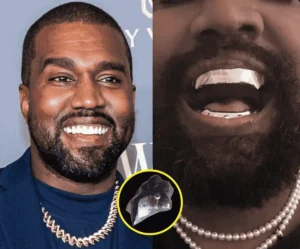
Though not usually forbidden, tooth gems are considered useless and vanity-related. Tooth gems are decorative and do not assist heal or fix teeth, hence most Muslims dislike them. Many analysts believe these alterations are made to look better, attract attention, or follow non-Islamic trends.
Tooth jewels worn for show or trend may be haram. However, other scholars consider them makruh if they are not permanent, do not harm the teeth, and do not block the water during wudu.
Islamic Ruling on Porcelain Veneers: Are They Considered Haram?
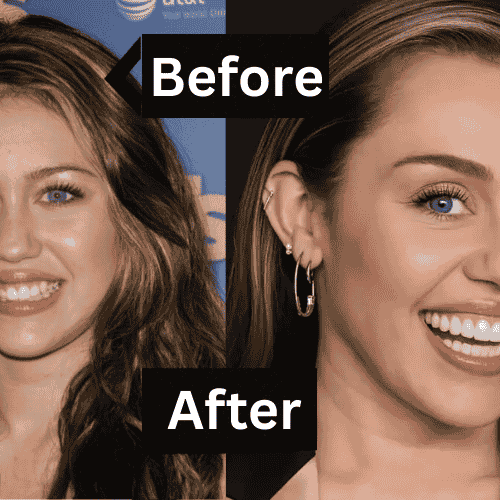
Porcelain veneers are rarely considered against Islamic law. Most doctors agree with the treatment as long as it fixes teeth that are broken, stained, or not in the right place. Veneers are a form of Islamic self-care that can help with your oral health, pride, and overall health.
Islam only restricts the use of veneers when people apply it to follow beauty trends. Because Islam promotes modesty, it does not allow cosmetic changes that are not necessary or that are only for show.
Muslim law does not forbid porcelain veneers. Emax Veneer and laminate veneers are halal when used to improve dental health, smile, or mental well-being.
For cosmetic or mental well-being, safe performance, and no haram elements, porcelain veneers are usually halal. You should not make drastic cosmetic alterations for no purpose.
In What Situations Can Veneers Be Islamically Acceptable?
As long as they fix a real problem and are not just for looks, veneers are okay in Islam. In most cases, scholars agree that veneers are okay in these situations:
- Problems with health or function: Broken, damaged, worn, or misshaped teeth make it hard to eat, speak, or feel good every day.
- Getting your normal look back: If you feel bad, lack confidence, or have trouble talking to others, you may require treatment for your teeth.
- With good intentions (niyyah): Do not try to look like everyone else or follow trends. You should instead try to get better and maintain your health.
- Safe and halal materials: As long as they do not contain haram materials, porcelain, composite, or zirconia veneers are fine. Take off good enamel only if you have to.
- Natural and moderate results: Being humble is a part of Islam, and it leads to natural and moderate results. People like small changes that do not change their natural look more than big ones.
- Financial responsibility: Being responsible with money means not taking on a lot of debt for no reason. The person should get the care they want and can afford.
Within the boundaries of Islam, veneers might be okay if used for the right reasons, safely, and with small changes. If you want to understand something better, you should always talk to a well-known teacher about it.
Does the Quran Indirectly Address Cosmetic Dentistry Such as Veneers?
When done correctly and with a healthy attitude, veneers are fine as long as you follow the Quran’s rules about health, safety, and respect.
The Quran does not talk about specific dental treatments, but it does talk about some general ideas that can help with veneers:
- Surah Al-Baqarah 2:222 and other verses stress the importance of cleaning and taking care of oneself. This encourages good dental hygiene and treatments that improve self-esteem.
- Verse 2:195 of Surah Al-Baqarah says that Muslims should avoid hurting themselves. So, cosmetic dentists must use safe, kosher materials and avoid hurting healthy teeth.
- Al-A’raf 7:31 stresses moderation. This means that you should choose small, natural changes that make you look better over big ones when it comes to cosmetic dentistry.
How Different Islamic Schools Interpret Veneers and Cosmetic Dentistry
All islamic schools accept veneers if they satisfy a true need, are halal, and do not affect teeth too much. This illustrates that Islamic norms prioritize purpose, moderation, and patient wellness.
Scholars from the main Sunni schools of thought mostly agree on the same basic ideas: what the harm was meant for, what materials were used, and whether prayer was affected. None of them make a total ban when the treatment is safe and has a good reason for being permitted.
Hanafi School
Porcelain veneers sort out dental problems and improve appearance. Islamic religion discourages cosmetic alterations and urges men to avoid gold unless medically essential. In this view, veneers do not change wudu. Dental crowns are halal, but men should avoid gold unless medically needed, even if crowns are done via Dental Crowns Turkey services.
Shafi‘i School
Has a lot to do with intention and staying away from harm. Veneers are fine as long as they fix a problem or give you real benefits. Extravagant or dangerous ways to improve your looks are not encouraged.
Maliki School
Islamic guidance priorities both public and personal well-being. It is okay to give treatments that protect health, respect, and mental health. They want results that look natural and as little damage to good enamel as possible.
Hanbali School
Does not allow self-harm or excessive modification, but does allow important dental treatments. It is okay to fix teeth or boost confidence as long as the materials used are legal and the risks are minimal. Vanity and unnecessary over-improvement remain concerns.
Balancing Modern Dentistry with Islamic Values: Practical Advice
Muslims can benefit from modern dentistry if they adopt safe methods, manage their money, and obey Islamic law.
Begin with intention (niyyah)
Consider why you need treatment. Instead of going with the flow or trying to look better, focus on improving your function, comfort, and confidence.
Health and safety first
Ensure your treatments are halal and safe. Shortcuts like removing unnecessary enamel are unhealthy for your teeth.
Maintain worship requirements
Getting a dental procedure done does not break wudu, but you should always brush your teeth following. Men should not wear gold unless it is for medical reasons.
Use resources responsibly
Stick to your budget, and do not go into debt just to look good. That you trust, talk to a professional and an Islamic expert to make sure that the choice you make fits your faith and your needs.
FAQs
Is Getting Veneers a Sin in Islam?
No, getting veneers is not a mistake if you do it for a good reason, like fixing teeth that are broken, crooked, or very stained. Islam supports taking care of yourself and getting back to normal.
However, veneers that are only done for vanity or extreme beauty are not recommended because purpose (niyyah) is a very important factor in deciding what is permissible.
Is Cosmetic Dentistry Allowed in Islam?
Cosmetic dentistry is legal as long as it does not injure the patient’s mouth, mend faults, or increase confidence.
Following trends or improving one’s appearance may be makruh (discouraged), but it is not always haram. Islam promotes moderation and avoidance of unnecessary changes.
Are Dental Crowns Permissible in Islam?
You can use dental crowns to fix, protect, or save a tooth, and they are still considered halal. Men should not get crowns made of pure gold unless they have to see a doctor. It is okay to use caps as long as the material is halal and the goal is to fix the tooth.