

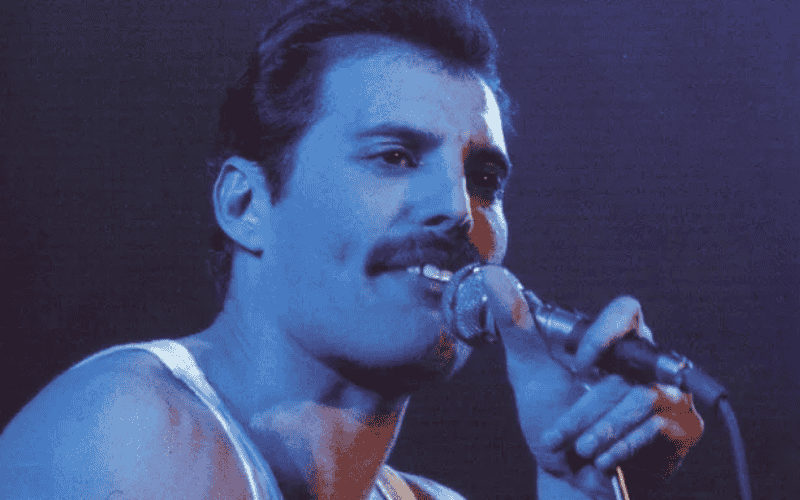
Some even believed his teeth were false. In reality, Freddie had a condition called “mesiodens” or “supernumerary teeth,”
Freddie Mercury’s extra teeth caused his overbite, which widened his mouth and helped create his powerful, unique singing voice.
Queen frontman Freddie Mercury shaped music and society. Individuality was symbolised by his strong voice, compelling stage presence, and pioneering art. Outside of music, his smile was one of his most famous traits. Freddie’s smile, which included additional teeth, became as iconic as his flashy performances. Why did he never change it?
In this part, we’ll examine freddie mercury teeth condition, which defined his iconic appearance. We’ll also discuss how his smile affected his career, health, and rock music. We’ll explain how such oral characteristics impact aesthetics and functioning for people with comparable attributes. The story behind Freddie Mercury’s famous smile is interesting. Let’s discover it.
Who Was Freddie Mercury and Why Is His Smile So Famous?
Freddie Mercury, whose real name was Farrokh Bulsara and who was born on September 5, 1946, is known for his powerful voice, exciting performances, and famous smile. As Queen’s lead singer, Freddie Mercury’s style, stage presence, and voice won over millions. One of his most unique traits was his hyperdontia, which gave him four extra upper incisors.
Freddie kept his additional teeth, thinking they helped shape his unique voice, despite dentist advice to remove them. He was brave and unique, and his smile defined him. Many still wonder did freddie mercury have extra teeth.
Even though Freddie died in 1991, his distinctive smile remains associated with him, leaving fans and dentistry aficionados intrigued about its effects on his career and health. This article discusses Freddie Mercury’s smile and freddie mercury mouth condition and how it shaped his life and music.

Freddie Mercury’s Unique Teeth Condition Explained
Freddie Mercury’s symbolic smile was caused by a rare tooth issue. Hyperdontia, extra teeth, was his affliction. Four extra upper incisors crowding Freddie’s mouth causing an overbite, sometimes seen in xray overbite freddie mercury teeth.
Freddie kept these additional teeth against dentist advice. He thought the additional teeth gave his voice force and uniqueness. This choice helped him find his style and voice.
Most of Freddie’s extra teeth were mesiodens, which grow right behind the top front teeth. Extra teeth can cause problems with alignment and biting, which may require braces. Freddie’s choice to keep his extra teeth, though, is what makes his smile so famous. Many still ask what was wrong with freddie mercury’s teeth.
This condition enhances Freddie’s personality and shows how physical features affect performance and identity.
Understanding Hyperdontia: The Dental Condition Behind Freddie Mercury’s Teeth
Freddie Mercury’s famous smile is caused by hyperdontia. This syndrome has additional teeth, frequently more than 32, which raises the question how many teeth did freddie mercury have. Freddie’s four extra upper incisors gave him a unique voice and appearance, influencing his freddie mercury vocal range teeth.
Not all causes of hyperdontia are known, however numerous have been connected. Among them:
- Genetics: Hyperdontia in the family raises the risk of additional tooth development. Genetic abnormalities including Gardner syndrome and cleidocranial dysplasia are linked to this illness.
- Dental Lamina Abnormalities: Overactive tissue responsible for tooth development might cause excessive tooth growth.
- Atavism: Science suggests that hyperdontia may be an atavistic feature, originating from our ancestors’ need for more teeth to chew harder meals.
- Cleft Lip and Palate and Down Syndrome: It can increase the likelihood of supernumerary teeth. Extra teeth may cause crowding, bite difficulties, and misalignment, as in Freddie’s overbite.
Understanding hyperdontia’s causes might help explain how it affects oral health and look. Freddie’s unusual smile became part of his personality, but its condition shows how genetics, oral health, and personal image are linked. Many still ask was freddie mercury born with extra teeth.
Characteristics and Effects of Supernumerary Teeth (Extra Teeth)
A person with supernumerary teeth has more than 32 teeth. Many of these teeth may cause misalignment, overcrowding, and biting disorders. People often wonder how many extra teeth did freddie mercury have.
Different locations produce different supernumerary teeth:
- Mesiodens: The most frequent form of supernumerary teeth; develop behind the two front teeth (maxillary incisors).
- Paramolars: Extra teeth form adjacent to molars, causing back of the mouth crowding.
- Distomolars: Grow in alignment with other molars, causing biting difficulties although being less visible.
Besides location, additional teeth might differ in shape:
- Cone-shaped: Teeth like a cone, these teeth are usually behind the front teeth and stand out the most.
- Tuberculomas: Most of the time, tuberculomas appear in pairs on the palatal side of the upper incisors.
- Complementary: When you look at the end of a row of teeth, you can see these extra teeth that look like normal teeth.
- Odontomas: When abnormal tooth tissue grows, it can lead to the deformity of more teeth.
Some extra teeth are small and may not be noticed, while others can make it hard to speak, eat, and keep your mouth clean. Extra teeth helped freddie mercury extra teeth voice and attractiveness, but they also caused crowding and biting difficulties. Understanding these traits and their impacts may help diagnose and treat Freddie Mercury’s teeth condition.
Freddie Mercury’s Overbite and Its Impact on His Appearance
Due to four additional teeth crowding his mouth, Freddie Mercury’s overbite was famous. Rare hyperdontia affects a tiny fraction of the population. Many still ask why were freddie mercury’s teeth like that.
Mercury’s additional teeth shaped his dental configuration, which affected his appearance:
- Overbite: Extra teeth pushed upper teeth outward, causing a prominent overbite.
- Improved Smile: Extra teeth enhanced his smile, creating a powerful, memorable image.
- Discreetly Placed Teeth: Teeth were discreetly placed at the rear of the mouth, making them less noticeable from the front.
- Self-Consciousness: Freddie sometimes covered his mouth with his hand owing to self-awareness of his dental traits.
- Chose Not To Alter: Despite the possibility to repair his overbite, Freddie preferred to keep his unique smile as part of his character. Many still wonder did freddy mercury have extra teeth.
His overbite was most obvious when he sang, but it became part of his persona. The unusual mix of self-awareness and self-expression made Freddie’s dental features into a cherished quality that added to the genuineness of his performances.
Did Freddie Mercury’s Teeth Help Him Sing Better?
Freddie Mercury’s teeth may have shaped his amazing voice. He was known for his unique dental structure, but Freddie’s vocal talent came from his ability to use his vocal cords, including his false cords. The deep, resonant vibrato of his four-octave vocal range was achieved with this uncommon method. His freddie mercury jaw and mouth structure helped him.
His additional teeth may have affected his voice in ways that are still discussed. His distinctive voice came from his exceptional vocal technique and natural skill. The inherent form of his vocal chords, genetics, and training gave freddie mercury teeth xray documented evidence of one of the most powerful voices in music history.
Freddie died of AIDS in 1991, yet his music lives on. He is still known for his “Freddy Mercury Teeth,” which fascinates music enthusiasts and dentists.
Why Freddie Mercury Chose Not to Fix His Teeth
Freddie Mercury refused to change his iconic teeth despite the increasing availability of cosmetic dentistry. Freddie had the means and professional contacts to restore his teeth as Queen’s lead vocalist. Why didn’t he change them?
Freddie Mercury thought his overbite and additional teeth were vital to his voice. He believed his dental structure let him smoothly flip between a forceful growl and a melodious high note in his four-octave vocal range. Mercury believed that removing his teeth would ruin his voice, answering the question why didn’t freddie mercury fix his teeth.
Freddie claimed his additional teeth gave him greater mouth space and voice flexibility in addition to singing. Freddie’s determination to keep his teeth intact showed his dedication to his art and musical achievement, despite his fears.
Interestingly, his decision was hard. Freddie was teased for his teeth as a child and still felt self-conscious, covering his mouth while speaking or singing. He identified with his teeth because he believed in their power and impact on his voice.
Can Hyperdontia Be Treated? Modern Options for Correcting Extra Teeth
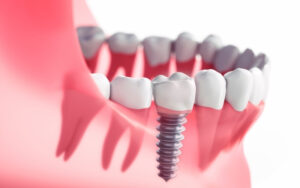
Hyperdontia, extra teeth, can cause dental problems if neglected. Freddie Mercury may not wish to replace his teeth, while others may be uncomfortable or ill with many teeth. Turkey teeth implants are one of several effective hyperdontia therapies.
Treatment Methods for Hyperdontia:
- Tooth Extraction: The most common and effective treatment for hyperdontia is surgery to remove extra teeth. This is done to keep the other teeth from getting too crowded and to straighten them out.
- Orthodontics: Braces or clear aligners are types of orthodontics that help straighten teeth and make sure they fit properly in your mouth. This procedure usually involves taking out teeth to restore a normal smile and bite.
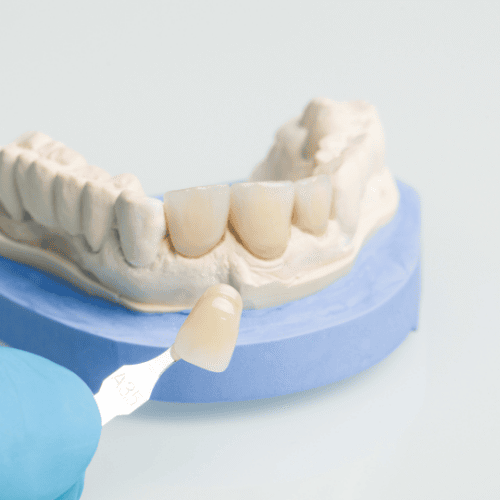
- Cosmetic Dentistry: In mild cases of hyperdontia, contouring or bonding may make a smile look better.
- Surgical Correction: This may be necessary in rare cases when extra teeth are stuck in the jawbone or are hurting nearby tissues. This includes taking out teeth that are infected, cystic, or not in the right place.
Some people may not mind having extra teeth, but if hyperdontia causes pain, misalignment, or other oral health problems, treatment is needed. Talk to a dentist to find out what the best treatment is for your specific case and level of severity. The right treatment can fix hyperdontia and make things work better and look better.
Possible Risks and Complications of Untreated Hyperdontia
Hyperdontia, or having extra teeth, may not seem like a big deal, but it can lead to problems with your teeth and your health in general if you don’t get it treated. Over time, the disease may get worse and cause more serious dental problems. Here are some risks of hyperdontia that isn’t treated:
- Tooth Impaction: Too many teeth can make it take longer for other teeth to come in. This could throw off the alignment of your teeth and cause a lot of pain.
- Overcrowding: Too many teeth can make your teeth not line up properly and cause an uneven bite. This has an effect on how well a smile works and how attractive it is.
- Chewing and Speech Problems: Extra teeth can cause misalignment, which can make it hard to eat and talk. This can make it hard to eat and talk at times.
- Tooth Decay and Gum Disease: Too many teeth makes it hard to clean them, which raises the risk of tooth decay and gum disease. These extra teeth might overlap or crowd other teeth, which can trap food and plaque and make it harder to keep your teeth clean.
- Cyst Formation: Cysts can sometimes form around extra teeth. These tumours could cause tissue damage or an infection.
If you think hyperdontia is to blame for any of these problems, go to the dentist to get a diagnosis and treatment. Starting early may make your teeth healthier and more comfortable by stopping more problems from happening.
The Importance of Treating Hyperdontia for Oral Health and Aesthetics
If you find and fix hyperdontia early, you can avoid more major tooth problems. Extra teeth that aren’t taken care of can lead to problems with spacing, crowding, and oral health. These conditions can hurt teeth and smiles.
Early help is very important for kids. Extra teeth can make it harder for permanent teeth to come in, which can slow down jaw growth and alignment. Without care, this could cause the child long-term problems with how they look and how they can use their body.
If you fix hyperdontia early, it can help your teeth fit better, your jaw grow, and your oral health, including preventing cavities and gum disease. If you get treatment early, it may improve your smile, your mouth health, and your confidence.
Could Freddie Mercury’s Teeth Have Been Fixed with Today’s Dental Technology?
Freddie Mercury’s teeth may have been fixed using both his dental procedures and modern technology. Modern dental techniques are more effective and efficient than those of his time, which would have needed major changes. Many fans still wonder how did freddie mercury fix his teeth or fixed freddie mercury teeth.
Freddie’s smile may be corrected by removing his four additional incisors to provide room for alignment. After extractions, braces would rearrange the remaining teeth for a more ideal appearance.
After the alignment, altering the front teeth may have improved his smile. Today’s dental technology may have made this treatment speedier and more useful and appealing.
Freddie didn’t get the Hollywood Smile, which promotes veneers and facial perfection, but modern technology would have blended functionality with beauty. Freddie would have had his ideal smile and his characteristic features.
Modern Cosmetic Dentistry: Achieving a Confident Smile Like Freddie Mercury’s
Teeth Implants Turkey uses modern cosmetic dentistry to improve smiles and confidence. Modern dental technology makes it easier than ever to have Freddie Mercury’s bright smile, whether you wish to fix slight defects or change your grin.
Freddie’s smile and extra teeth gave him a unique voice and look. Modern cosmetic dentistry may have improved his smile without compromising its distinctiveness. Orthodontics, veneers, and teeth whitening may enhance your smile while keeping its distinctive traits.
Our professionals tailor treatments to you. We use advanced technologies including dental implants, crowns, and braces to enhance your smile and function.
Ready to design your dream smile? Start your confident, beautiful smile journey with a consultation.
Final Thoughts: Freddie Mercury’s Teeth and the Power of an Unforgettable Smile
Freddie Mercury’s charm and talent were legendary. His teeth became part of him, not a flaw. Mercury believed his extra teeth and grin alignment gave him a voice and performing style that still resonated.
Freddie embraced his teeth as unique rather than correcting them. His narrative illustrates that variety may be our greatest asset. In a perfectionist culture, Freddie’s candour and self-confidence encourage us to appreciate our individuality.
Our clinic knows smile function and aesthetics. We can enhance your smile or correct dental concerns to make you appear great. Freddie Mercury proved that a sincere grin is the most powerful.