

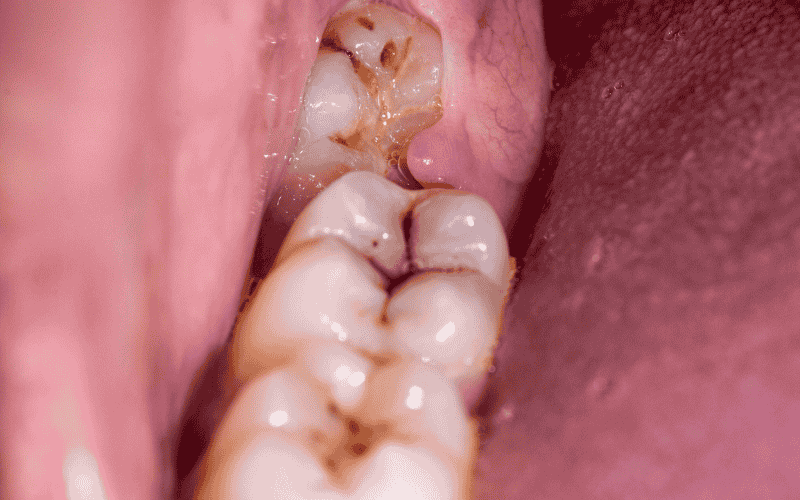
Food might become caught in the hole after wisdom teeth removal, and many people wonder how to get food out of wisdom teeth holes safely. Use a soft toothbrush or saltwater rinse to get rid of food. Leave the hole alone if the food doesn’t hurt; it will naturally shift. Avoid using your fingers or sharp tools to clean the area, as this might slow healing or create infection. So, are you thinking “how do I get food out of my wisdom teeth holes” No need to think anymore. We’ll explain how to carefully remove food and care for your mouth during healing in the following sections.
Understanding Why Food Gets Trapped in Wisdom Tooth Sockets
The socket left after wisdom teeth removal might trap food, leading many to ask can food get stuck in wisdom teeth holes or what happens if food gets in a wisdom tooth hole. This occurs for several reasons, particularly early in recovery. Understanding why food gets trapped might help you manage and clean the area while it heals.
Odd Angles and Positioning
Wisdom teeth often erupt at unexpected angles, generating tiny pockets or gaps between the tooth and surrounding gum tissue. These spaces can collect food, especially if the tooth was impacted or displaced before removal.
Type of Food Consumed
Certain foods stick in sockets more often. Chewy meats, chips, nuts, and even microscopic particles from softer foods might become stuck in the hole. Controlling your diet after surgery helps reduce this difficulty.
Mechanical Stimuli During Chewing
As food travels about the mouth, chewing pressure might drive it further into the socket. This mechanical strain might make removing food from the wisdom tooth hole harder and trigger healing pain. That’s why learning how to clean wisdom tooth holes gently is essential.
Is It Normal to Have Food Stuck After Wisdom Tooth Extraction?
Food often gets stuck in wisdom tooth holes after extraction. The socket may remain open during healing, allowing food debris to become stuck. This is usual in the first few days or weeks following the treatment while your mouth heals. If you’re wondering is it bad to get food in wisdom teeth holes, the answer is that it’s normal; but cleaning is essential to prevent problems.
Food stuck in tooth holes can cause infection, dry socket, or gum discomfort if left there. Learning how to get food out of a tooth extraction hole or how to remove food stuck in tooth hole gently will help you avoid these issues. If you have unusual symptoms or pain, see your dentist or oral surgeon.
Safe and Effective Ways to Get Food Out of a Wisdom Tooth Hole
The best way to get food out of wisdom teeth holes securely is sought for by many. After having their wisdom teeth taken out often, food particles may get stuck in the empty socket. This means that the socket needs to be watched all the time to avoid infection. Here’s how to get food out of tooth holes and promote healing safely:
- Swish a teaspoon of salt in warm water to loosen food.
- Use chamomile or green tea for anti-inflammatory benefits.
- After 24 hours, use a mild, alcohol-free mouthwash.
- Flush the socket gently with warm water using a syringe.
- Use the lowest setting to clean sockets without injuring tissue.
- After a few days, gently clean the area with a soft-bristle toothbrush.
- If required, gently remove food particles with a cotton swab.
If you’ve ever wondered what to do if food is stuck in wisdom tooth holes or how to get stuck food out of wisdom tooth hole, avoid using too much force or instruments that might harm healing tissue.
Home Remedies: Gentle Methods to Clean Food from Wisdom Tooth Holes
Here’s how to clean wisdom teeth holes naturally with safe home remedies. These methods help remove food stuck in tooth holes gently:
- Saltwater Rinse: Adding a teaspoon of salt to warm water is a simple and effective way to get rid of food particles. Swish it around on your tongue to clean the socket without disturbing the blood clot.
- Herbal Tea Rinse: If saltwater didn’t work then give a try to herbal tea rinse with anti-inflammatory qualities like chamomile, turmeric, or green tea.
- Mouthwash Rinse: After the first healing phase, use a mouthwash that doesn’t contain alcohol to kill germs and clean the extraction site. Follow your dentist’s instructions on when to use mouthwash.
- Warm Water Syringe: To avoid irritating the healing tissue, rinse the area with warm, not hot, water.
- Spray Bottle with Warm Water: If you don’t have a syringe, you can use a spray bottle with warm water. Be careful with this so you don’t splash or press too hard on the socket.
- Oral Pulsating Irrigator: Use an oral pulsating irrigator, or water flosser, to gently remove food particles from the socket. Use it at low pressure to prevent harm.
- Gentle Brush: After the area has healed, use a soft toothbrush to gently brush it. Use light strokes so you don’t hurt sensitive tissue.
- Cotton Swab: Use a cotton swab to gently remove food particles from the socket if a toothbrush is bothersome. Avoid pushing food further into the hole and adopting this approach too soon after surgery.
These simple ways for “what if food gets in wisdom teeth hole” help repair your mouth while keeping it clean. Talk to your dentist about when to start these remedies or if you have any recovery issues.
When and How to Use a Syringe, Irrigator, or Brush After Extraction
After wisdom teeth extraction, clean the location with syringes, oral irrigators, or brushes. Remove food stuck wisdom tooth hole without hurting healing tissues with these tools. Use them efficiently when and how:
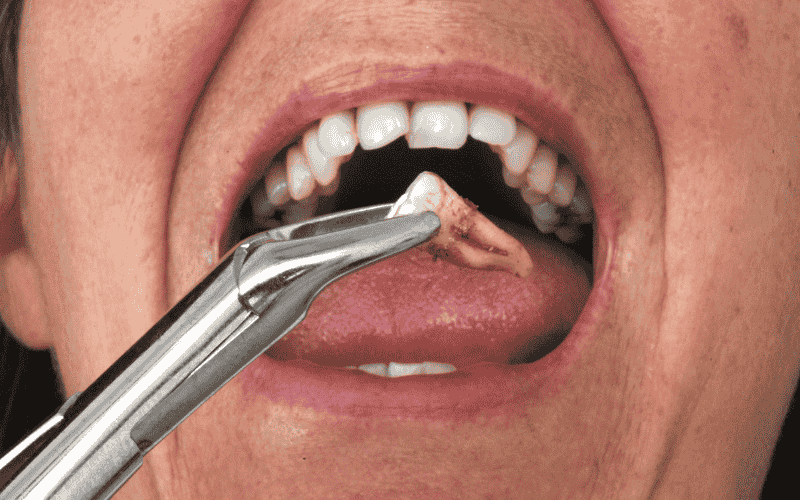
Warm Water Syringe
After a few days, your dentist may let you use a clean syringe with warm water. Gently aim the syringe at the socket and let the water stream to remove food. Don’t put too much pressure on the area, as this could make it hurt or move the blood clot. This method does a good job of cleaning sockets.
Oral Pulsating Irrigator (Water Flosser)
Use a water flosser on the lowest setting to remove food in wisdom tooth holes. Before usage, see your dentist, who may suggest waiting a few weeks for healing. Use the lowest pressure and guide the water stream into the food hole. The moderate water flow may loosen particles without damaging delicate tissue.
Gentle Toothbrush
After a week of healing, you may brush the extraction site with a soft-bristle toothbrush. Brush lightly and avoid the socket until it heals. This mild washing helps maintain dental hygiene without upsetting healing tissue.
If you follow these steps and wait for the right time, you can get rid of food particles and clean the extraction site while speeding up your recovery.
How to Prevent Food from Getting Stuck in Wisdom Tooth Sockets
Keep food out of the healing sockets after wisdom teeth extraction to avoid issues and a smooth recovery. These methods will keep your mouth clean and reduce pain:
- Avoid Chewing Near the Hole: Don’t chew on the side of your mouth where your wisdom teeth were taken out. Release any pressure from the extraction site to heal..
- Rinse Mouth After Eating: After eating, immediately rinse your mouth to eliminate food particles. To avoid oral infections, use a saltwater rinse or germicidal mouthwash.
- Eat Soft meals: Avoid getting trapped in sockets by just eating soft meals. Eggs, noodles, soups, smoothies, mashed potatoes, and yoghurt are all great. Food that is spicy or acidic could bother the blood clot and make it less stable.
- Foods to Avoid: Avoid foods like strawberries, popcorn, almonds, seeds, and chewy meats since they may become stuck in holes. Avoid crunchy and firm foods that might damage the extraction site.
- Avoid Suction Activities: Sucking via a straw, smoking, or spitting may cause blood clot dislodging and impair healing. These activities should be avoided to avoid dry sockets.
If you’re asking will food get stuck in my wisdom teeth holes, then yes, it can, but careful eating and rinsing prevent most issues.
Signs You Should Contact Your Dentist for Professional Help
Some soreness is normal following wisdom teeth extraction, but there are signs that need medical care. If you have these symptoms, see your dentist immediately:
- Severe Pain: If you feel severe pain that persists or worsens despite taking pain medication, it may indicate an infection or dry socket.
- Persistent Bad Breath: An awful smell in the mouth may suggest an infection or food caught in the socket-causing bacteria growth.
- A Bad Taste in Your Mouth: A continuous sour or bad taste in the mouth may indicate an infection or debris in the socket.
- Swelling: Particularly after the first several days, swelling may indicate infection.
- Fever: This can indicate infection spread beyond the extraction site.
- Discharge or Pus: Indicates an infection demanding rapid care.
These are warning signs that food stuck in wisdom teeth holes might have caused infection. Addressing difficulties early can prevent more significant issues and ease recovery.
How Long Does It Take for a Wisdom Tooth Hole to Heal Completely?
The time it takes to recover from having wisdom teeth removed depends on how complicated the procedure was. After a simple extraction, it usually takes 3 to 7 days for the socket to close. It may take six weeks for more serious extractions or problems to heal. Different surgeries, your health, and how well you follow post-operative care recommendations may all affect recovery time.
If you want a structured recovery overview, search for a day by day wisdom teeth recovery timeline; it outlines what to expect from day 1 through week 6.
Tips to Speed Up Recovery
Important suggestions for a quick recovery:
- Keep the Socket Clean: Cover the socket with a sterile gauze pad for 45-60 minutes after wisdom teeth removal to aid in blood clotting and healing.
- Replace Gauze as Needed: Replace sterile gauze pads as needed, particularly if they get drenched with blood, in the first several hours. Change it gently to prevent upsetting the clot.
- Rinse with Saltwater: After 24 hours, gently rinse mouth with warm saltwater to clean and lower infection risk. It soothes inflammation too.
- Avoid Smoking: Smoking might hinder healing and increase the risk of dry sockets. Smoking during rehabilitation is not advised.
If your tooth was brittle or infected before removal, or if you’re researching alternatives, you might read why experts now say not to remove your wisdom teeth to understand different viewpoints about prophylactic extraction.
Final Tips for Safe Healing After Wisdom Tooth Removal
Healing after wisdom teeth removal takes patience. If you ever find food stuck in wisdom tooth hole can’t get it out, don’t panic — use saltwater rinses, syringes, or gentle brushing. Keep your wisdom teeth holes clean, eat soft foods, and stay hydrated. Follow your dentist’s aftercare tips closely. If you ever wonder what happens if food gets stuck in a wisdom tooth hole or how to get food out of tooth holes, always choose gentle, safe cleaning methods.
If you had a broken wisdom tooth before extraction, talk with your dentist about any extra care needed.
And if you need help with food to eat after wisdom teeth removal, ask, I can list a day-by-day meal plan that avoids foods likely to get stuck.
Additional safe recovery tips:
- Brush your teeth with a gentle toothbrush to avoid the extraction spot until it heals.
- Drink enough water to naturally flush food particles from your mouth.
- Wash the tooth extraction site with saltwater or herbal tea to reduce swelling.
Follow your dentist’s post-op instructions to recover quicker and prevent complications. Strange symptoms like discomfort or swelling need rapid medical attention.