

What’s the Difference Between a Dental Cap and a Crown?
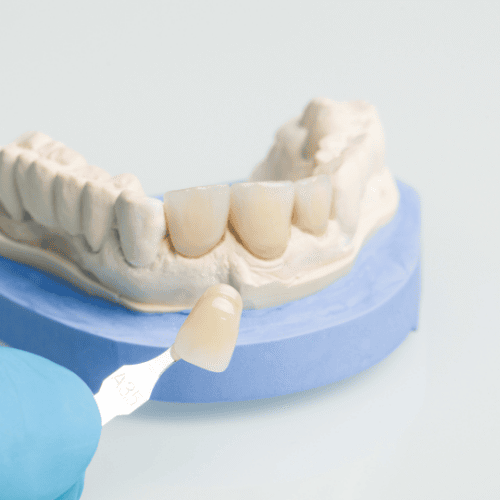
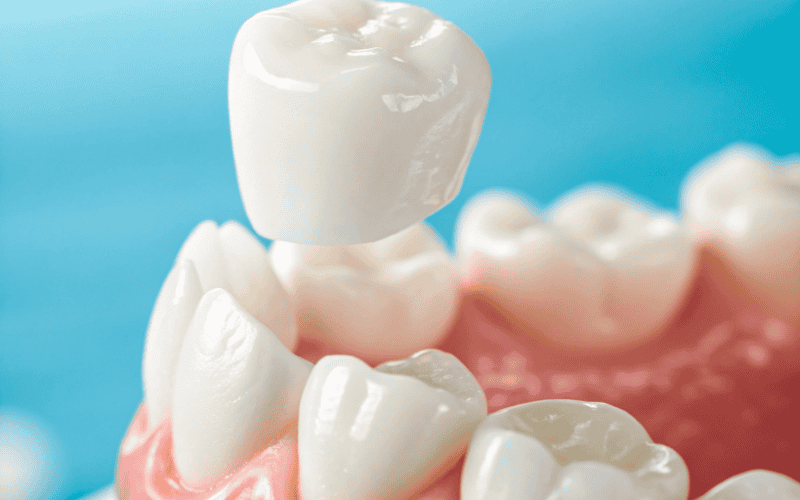
Are caps and crowns the same thing? Yes, Dental cap vs crown; both terms refer to the same dental restoration. Although “cap” was formerly used, dental practitioners now prefer “crown.” A durable, tooth-shaped covering is put over a broken or weakened tooth to restore its strength, size, and look. Be it a cap or crown on tooth, it protects and restores teeth.
Our clinic provides custom-made crowns (or caps) of the greatest quality. Whether you need a crown vs cap for aesthetic purposes or to restore dental function, our professionals can help.
So, are you ready to know “What’s the difference between a cap and a crown?”. Let’s dig in.
Understanding Dental Crowns and Caps
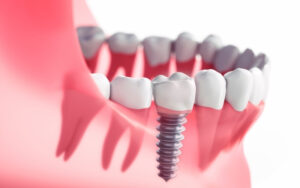
Though commonly used interchangeably, Dental Crowns Turkey and Caps restore shapes, strengths, and function of injured teeth. Crowns, usually made of porcelain or metal, cover the whole tooth. It treats badly decaying or damaged teeth.
Caps are like crowns but cover less of the teeth. For lesser damage such as, molar and premolar fractures or decay, caps are employed.
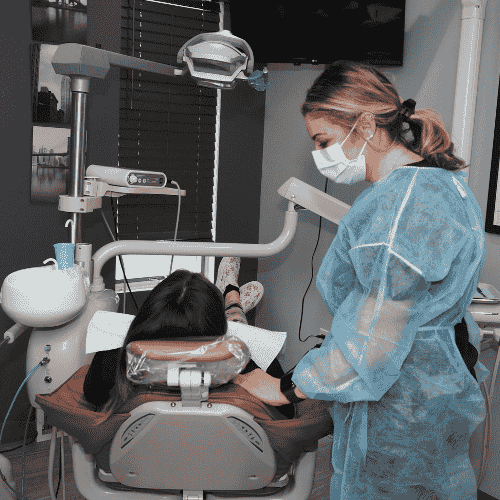
The Dental Crown/Cap Process
- Teeth Preparation: Reshaping broken teeth for better fit.
- Impression/Scan: Create a mould or digital scan for a customised fit.
- Fabrication: Our dental lab creates the crown or cap.
- Placement: Securely attaching the crown or cap to repair the tooth.
Crowns and caps improve tooth health and aesthetic.
When Should You Consider a Tooth Cap or Dental Crown?
Whether you need a cap or a crown depends on your health needs. Your dentist can evaluate your teeth and propose the best therapy if you’re uncertain.
Dental Crowns
Fractured or severely damaged teeth benefit from dental crowns. They also stabilise dental bridges and implants. Crowns entirely surround natural teeth for optimal protection and durability. Your dentist may place a temporary tooth crown vs cap until the permanent one is manufactured.
Tooth Caps
Tooth caps are used to repair decaying or broken molars, premolars, and root canal-treated teeth. A lot of clients like tooth caps better than crowns because they are less noticeable and don’t need to be replaced. Many people like caps because they are cheaper than crowns.
Your dentist will help you choose the correct therapy for your condition and objectives.
Different Types of Dental Crowns and Caps Explained
Selecting the correct dental crowns and caps requires knowledge of their kinds. Each has advantages and is suitable for certain purposes.
All-Metal Crowns
All-metal crowns are robust and appropriate for heavy-chewing molars. For durable repair, these crowns are less likely to crack or break. However, their metallic aspect may turn off aestheticists.
Porcelain-Fused-To-Metal (PFM) Crowns
PFM crowns are durable and attractive. The porcelain exterior looks like genuine teeth, but the metal basis is strong. These crowns may be utilised for front and back teeth, although the metal may show along the gum line.
All-Porcelain (Ceramic) Crowns
Patients seeking the finest cosmetic fit should choose all-porcelain crowns. These metal-free crowns are ideal for front teeth and metal allergies. They seem natural but are more susceptible to intense chewing than other crown kinds.
All-Resin Crowns
All-resin crowns are cheaper. They look like genuine teeth but wear out faster and break more easily. Temporary crowns are utilised until a permanent repair is completed.
Temporary Crowns
While waiting for a permanent crown, temporary crowns serve the purpose. Acrylic or stainless steel ones are less durable but protect the tooth and hold it till the crown is finished.
Permanent Crowns
Permanent crowns are custom-made to restore dental function and aesthetics. Carefully maintained, they may survive for years. Pottery, metal, or a mix of both may be used to make permanent crowns that match your demands.
3/4 Crowns and Onlays
3/4 crowns and onlays cover part of the tooth, retaining structure. Without full teeth covering, they are perfect for fractured teeth. They preserve teeth while keeping their shape.
Consult your dentist for the finest dental crown vs cap repair solution. They can offer the best dental treatment for you based on your tooth’s current placement, remaining natural tooth, and budget.
Choosing the Right Material for Your Dental Crown or Cap
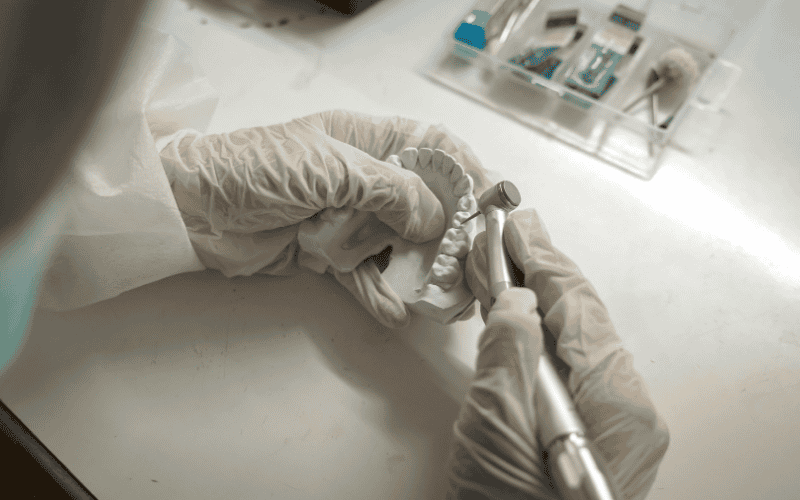
The material you choose for your dental crown or cap influences its function and look. Different materials have different advantages according on your requirements, tooth position, and preferences.
Ceramic Crowns
Ceramic crowns are popular because they match your tooth colour. They integrate well with your smile, making them ideal for front teeth. However, ceramic crowns are more fragile and easily cracked or chipped, therefore careful maintenance is needed to prolong their life.
Gold Crowns
Gold alloy crowns are constructed from gold and other metals to endure. Gold crowns are less prone to wear down or break, making them suitable for molars and teeth that chew hard. Since their metallic colour is obvious, they are not the most attractive option.
Porcelain-Fused-To-Metal (PFM) Crowns
Porcelain-fused-to-metal (PFM) crowns combine strength and beauty. Metal makes the crown’s inside durable, while porcelain gives it a natural look. The metal foundation provides strength, but the porcelain coating might fade.
Step-by-Step: How the Dental Crown or Cap Procedure Works
Understanding the dental crown or cap process will ease your anxieties and prepare you for treatment. Dental crown and cap procedures are described here.
1. Consultation and Assessment
Your dentist will examine your teeth, explain your choices, and propose the best cap vs crown dental option for you. during a consultation. They will also address your worries and explain each option’s merits.
2. Tooth Preparation
After choosing a crown or cap, the dentist will prepare the tooth. To guarantee comfort, numb the region and remove deterioration. The tooth is altered to support the crown or cap.
3. Impressions or Scans
Your dentist will take impressions or digital scans to make a customised crown or cap after preparing the tooth. The restoration will fit your tooth and bite exactly using these impressions.
4. Temporary Crown or Cap
While the final repair is being made, a temporary crown or cap will cover the tooth that has been prepared. While you wait, this temporary cap will keep you comfortable.
5. Fabrication of the Permanent Crown or Cap
The lab crafts your dental caps vs crowns and for a seamless look, your dentist will match the crown or cap to your teeth’s form and colour.
6. Final Placement
Your dentist will securely bond the permanent crown or cap to your tooth, making any necessary adjustments. Your bite will be checked for comfort and crown function.
7. Post-Procedure Care
After the treatment, keep your mouth clean, have frequent checkups, and avoid hard or sticky foods that might harm your crown or cap. Maintain good hygiene to ensure your teeth cap vs crown lasts long.
Dental Crown vs. Cap: Key Similarities and Differences
Dental crowns and tooth caps are used interchangeably to repair damaged teeth. These tooth-shaped restorations complement your smile using porcelain, ceramic, or composite resin. Their personalised hue complements your teeth and heals decay, fractures, damage, and sensitivity.
Similarities between Tooth Caps and Crowns:
- Both are tooth-colored restorations that cover and preserve damaged teeth.
- They improve tooth look, function, and strength.
- Common dental treatments include repairing decay, fractures, trauma, and sensitivity concerns.
Differences between Tooth Caps and Dental Crowns:
- The main difference between cap and crown is the amount of tooth structure covered. A crown covers the whole tooth for greater protection than a tooth cap, which covers just the biting surface or one or two sides.
- Since caps only cover half of the tooth, they are more discreet and maintain more natural tooth structure than crowns.
- Tooth caps are cheaper than crowns because of their lower covering area and reduced material needs.
- Cap vs crown teeth options differ in ease of replacement. Dentists can quickly remove and replace dental caps that do not fit well. However, changing a dental crown that is well-bonded to the tooth may be difficult.
Cost of Dental Crowns and Caps (and What Affects It)
The cost of a dental crown or cap depends on the material, treatment complexity, and tooth condition. Crown location, dental restoration type, and additional treatments can affect price.
Factors Affecting the Cost:
- Material: All-porcelain crowns vs caps cost more than metal ones.
- Complexity: Complex procedures like tooth damage or weakening may need many treatments and can result in high cost.
- Insurance: Dental insurance often excludes cosmetic operations, but may cover medically required crowns.
Average Cost:
- All-Metal Crowns: Between $600 and $2,500 per tooth.
- PFM Crowns: Typically $800-$3,000.
- All-Porcelain Crowns: Cost $1,000-$3,500, achieve the most realistic appearance.
- All-Resin Crowns: They are cheap (between $300 and $1,000), but they don’t last as long as other choices.
Does Insurance Cover Dental Crowns or Caps?
Crowns and caps may be covered by dental insurance if they are needed to repair a tooth. However, attractive crowns are seldom covered. To understand your insurance coverage, contact your provider. Our clinic offers financing and works with insurance to reduce out-of-pocket costs. We want to treat you with the best care at a price you can pay. We can give you a personalised cost quote for your oral needs.
How Long Do Dental Crowns and Caps Last?
Material, oral hygiene, and restoration placement affect dental crown and cap longevity. Crowns typically last 10–15 years, however some may endure longer with good maintenance. Porcelain crowns are attractive but may wear out faster than metal crowns.
Good oral hygiene, avoiding hard foods, and frequent dental checkups can extend the life of your crown or cap. Feeling uncomfortable or having trouble chewing? Ask your dentist about a replacement. Proper maintenance may keep your repair working for years.
Tips for Caring for Your Dental Crown or Cap
Your dental crown or cap must be properly maintained to last for years.
- Daily Oral Hygiene Practices: To keep your crown in good shape, brush your teeth twice a day with fluoride toothpaste. For gum disease prevention, floss everyday and use an antimicrobial mouthwash.
- Regular Dental Check-Ups: Regular dental checkups are essential for crown or cap maintenance. Visit your dentist at least twice a year or as recommended to detect wear, decay, and damage.
- Avoiding Hard Foods: Hard items like ice and candies might chip or break your crown. Avoid damaging your teeth by not opening packages or biting non-food items.
- Handling Chipped or Damaged Crowns: If a crown is chipped or broken, you need to see a dentist right away. Clean your mouth and don’t bite on the side that hurts. Then, talk to your dentist about how to treat it.
- Professional Cleaning Recommendations: Regular professional cleanings are needed to keep teeth healthy and crowns in good shape. In order to protect your crown, your dental assistant will remove plaque and tartar.