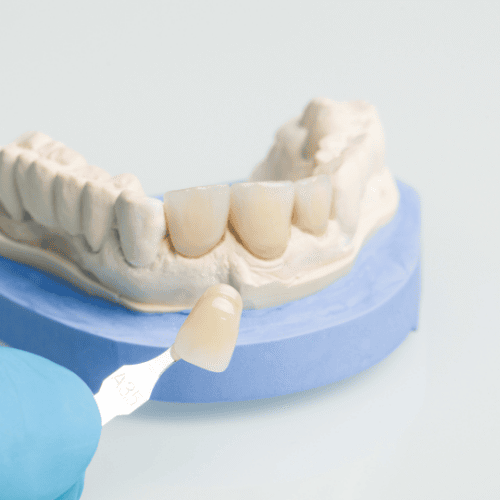


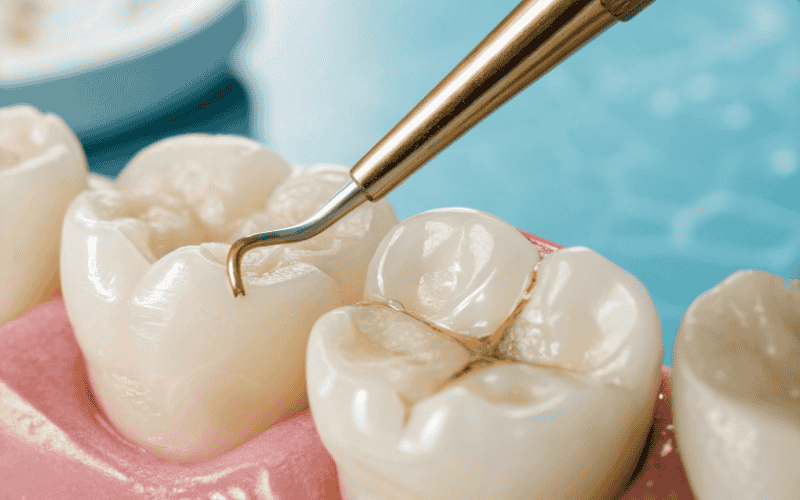
If you get a cavity on any other tooth, your dentist will most likely recommend filling the cavity to restore the tooth.
Wisdom teeth, considered the last frontier of dental care, may cause unforeseen problems, notably cavities on wisdom teeth. Late adolescent or early adult molars are hard to clean and decay-prone. Wisdom tooth cavities are frequent and treatable, but unchecked they may cause pain and consequences. If your wisdom teeth has a cavity, we’ll explain how to treat it and preserve your dental health in this article.
Can Wisdom Teeth Really Get Cavities? Here’s What to Know
Many individuals ignore their wisdom teeth until they hurt. Can wisdom teeth get cavities? Yes, wisdom teeth (third molars) may have cavities like any other tooth. According to a Dental Press Journal of Orthodontics research, wisdom teeth are one of the most usually excised teeth owing to cavities, impaction, and infection.
Because wisdom teeth are near the rear of the mouth, they are more prone to have cavities. These teeth usually arrive last, between 17 and 21. Latecomers have limited space in the mouth with 28 teeth. Thus, they often become stuck in gum tissue or bone, making escape difficult.
Bacteria may grow in impacted wisdom teeth, increasing cavity risk. Gums may trap food, enabling decay-causing bacteria to grow. Cleaning wisdom teeth may be challenging, making food and bacteria harder to remove.
What Is a Wisdom Tooth Cavity and How Does It Form?
Bacteria create wisdom tooth cavities. Wisdom teeth may have cavities, but they have special obstacles. Back molars are difficult to reach and clean, making them more prone to plaque and decay.
Cavities arise when oral bacteria break down glucose and generate acid that destroys tooth enamel. Over time, acid wears away enamel and makes tiny holes in teeth. If you don’t fix these holes, they could get bigger and cause more problems with your teeth.
Wisdom teeth are sensitive to cavity wisdom tooth due to their placement. These teeth usually appear between 17 and 21, but by then, your other 28 teeth are in place. This means that the wisdom teeth don’t have enough room to fully come in. If they do, they might get stuck in the gum or bone, which is called impaction. Food particles and germs may build around these teeth, making them more decay-prone.
Due to their difficulty to clean, wisdom teeth need specific dental care, especially around these hard-to-reach locations. Regular dental checkups may identify wisdom tooth cavity symptoms early and avoid consequences.
Why Wisdom Teeth Are More Prone to Cavities
Wisdom teeth, the final molars to develop, are especially susceptible to cavities. Dental doctors say these teeth are more likely to deteriorate for many reasons:
Position
Wisdom teeth are the last to emerge, making cleaning difficult. Brushing and flossing them in the back of your mouth is difficult. Lack of cleaning allows plaque and bacteria to collect, increasing cavity risk.
Area Difficult to Reach
Wisdom teeth are difficult to clean due to their location. Your mouth is small and your teeth are big, making flossing around them tough without help. Food particles and germs may cause cavities if not cleaned properly.
These considerations make it important to keep your wisdom teeth healthy and cavity-free by practicing good dental hygiene and seeing your dentist periodically.
Common Symptoms of a Wisdom Tooth Cavity
Look for these signs to determine whether your wisdom teeth cavity is causing pain. Recognizing the indications early may help you get dental treatment and avoid complications:
Persistent Toothache
A continuous, throbbing pain is a typical wisdom tooth cavity pain symptom. Pain may vary but intensifies with time, particularly when pressure is applied to the tooth.
Sensitivity to Hot or Cold Foods
A strong pain or discomfort while eating or drinking hot or cold food may suggest cavity in wisdom tooth pain. When decay penetrates deeper tooth layers, sensitive nerves are exposed.
Pain When Chewing or Biting Down
Your wisdom teeth may hurt when you chew or bite down due to cavities. A cavity on wisdom tooth may cause intense or shooting pain when chewing.
Swelling Around the Affected Area
Inflamed gums surrounding the wisdom teeth may indicate a cavity in wisdom teeth. This swelling may be accompanied by redness or cavity on wisdom tooth pain, which could be a sign of an infection or inflammation related to decay.
Bad Breath or Foul Taste in the Mouth
Plaque and tartar form in cavities because food and germs get trapped. A cavity may be present if you have persistent bad breath or a foul taste around the tooth.
Visible Holes or Dark Spots on the Tooth
Cavities may sometimes show deterioration. Wisdom tooth gaps, pits, or dark areas indicate advanced cavities that require treatment.
When a Wisdom Tooth Cavity Doesn’t Cause Pain
A popular misperception is that wisdom tooth cavities usually hurt. In the early stages, cavity in wisdom tooth no pain may form quietly. How can you tell if you have a cavity or wisdom tooth pain without pain
Cavities start in tooth enamel, which is the top layer of protection. Without nerves, enamel can get holes that don’t hurt. In the early stages, the cavity in my wisdom tooth is contained to the enamel and may go undetected.
After degradation reaches the dentin layer, sensitive nerves may cause pain. You may experience shooting pain while eating or drinking anything hot, cold, or sweet.
Painless wisdom teeth cavities must be detected by regular dental checkups to avoid major damage. Dental X-rays and visual examinations may detect cavities early and treat them without surgery.
If you observe black patches or changes in your wisdom teeth without pain, don’t wait. See a dentist before it gets worse.
Other Warning Signs of Cavity Growth in Wisdom Teeth
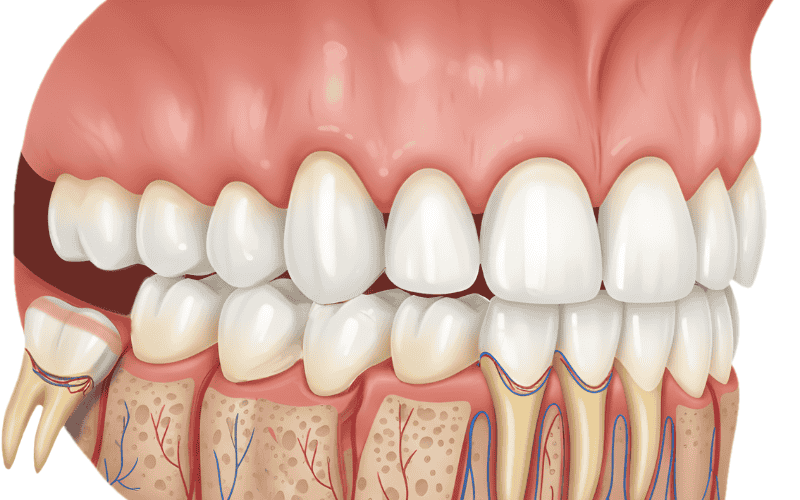
Other than discomfort, there are other symptoms that your wisdom teeth may have cavities. Be careful, because these signs could show up before you feel real pain. These are some warning signs:
- White Spots on Teeth: These could be signs of enamel demineralisation, which can lead to fractures. White spots on wisdom teeth could mean that they are breaking down.
- Brown or Black Dots on the Enamel: Cavities can appear as dark patches on wisdom teeth enamel. These marks might grow into hole by wisdom tooth.
- Visible Decay on X-rays: The dentist may spot cavities before they emerge. Regular dental exams and X-rays identify deterioration early.
- Holes in the Teeth: Cavities may cause cavity hole in wisdom tooth. If you see little holes or indentations on your wisdom teeth, consult a dentist immediately.
- Sensitivity to Pressure: Applying pressure on the wisdom tooth with cavity may hurt.
- Halitosis or Bad Breath: Cavities may trap food and germs, causing foul breath. A bad smell that doesn’t go away with brushing may suggest deterioration.
- Persistent Bad Taste in the Mouth: Despite adequate dental hygiene, decomposing food particles and germs in a cavity may cause a foul taste.
- Swollen Face: More serious wisdom tooth cavities may cause gum or cheek swelling, particularly if infected.
- Fever: Infected cavities may cause fever. A major dental issue demands prompt care.
Diagnosis and Dental Tests for Wisdom Tooth Cavities
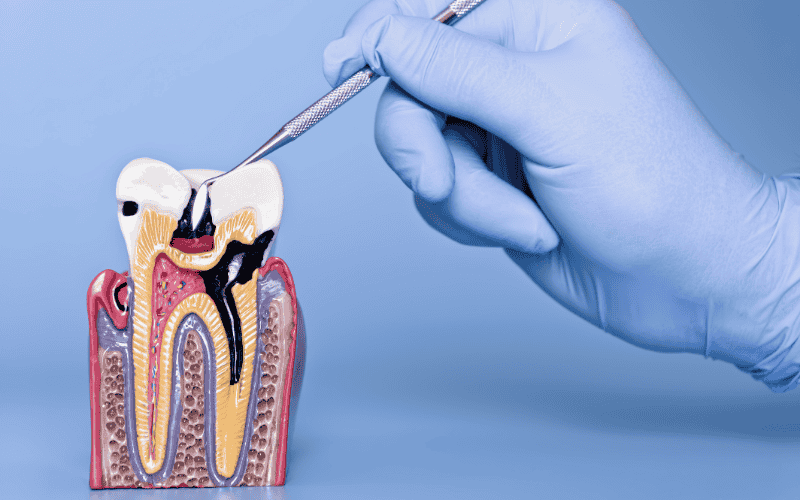
For early wisdom teeth cavity detection, dental exams should be done every six months. Your dentist will clean and inspect for decay and enamel weakening throughout these appointments. In the gumline or between teeth, X-rays may identify cavities before they occur. Early identification allows for less intrusive procedures, preserving wisdom teeth.
Treatment Options for a Wisdom Tooth Cavity
You must treat a wisdom teeth cavity immediately to avoid more harm and protect your dental health. Depending on cavity in wisdom tooth pain relief and severity, dentists provide several treatments. The most popular wisdom tooth cavity treatment options are:
Dental Fillings
Dental fillings are the most popular therapy for early cavities that haven’t impacted the tooth’s inner structure. This treatment removes the decaying wisdom teeth and cleans the cavity. The cavity is then filled with composite resin, silver amalgam, or gold. The tooth’s structure and function are restored while decay is prevented.
Root Canal Therapy
Root canals may be needed if deterioration has reached the pulp. Endodontists, tooth pulp specialists, execute this procedure. Root canals remove diseased pulp, disinfect, and seal the area. After that, a dental crown supports and protects the tooth, keeping it functioning.
Both procedures can save wisdom teeth with cavity, but your dentist will decide which is best depending on the damage.
Should You Keep or Remove a Cavity-Affected Wisdom Tooth?
My wisdom tooth has a cavity and it hurts; this is a common complaint. Wisdom teeth that are cavity-free and your dentist hasn’t recommended extraction may be worth preserving. Your third molars may be OK if you’re not having any problems. Their condition must be monitored throughout time. Discuss your concerns with your dentist at your next visit. To prevent cavity on wisdom teeth and impaction, they will regularly examine your wisdom teeth.
Your dentist may propose removing wisdom teeth if they haven’t completely erupted or are creating dental complications. They explain the procedure and expectations. If your wisdom tooth has cavity or big cavity in wisdom tooth, your dentist will advise you on how to keep your mouth healthy.
Alternative Treatments and Care Options
There are numerous techniques to control or prevent wisdom tooth cavities.
Fluoride Flush
Fluoride treatments help prevent wisdom teeth cavities, particularly early on. Fluoride restores enamel before a cavity forms. The dentist may prescribe a fluoride flush or at-home toothpaste and mouthwash. Professional fluoride treatments in the office may be recommended for better protection.
Tooth Extraction
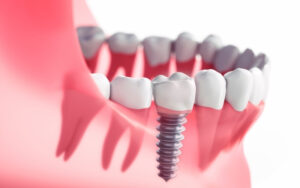
If root canal treatment isn’t possible or the tooth is beyond restore. extraction may be recommended. Wisdom tooth loss may be replaced in numerous ways. Your dentist might recommend dental bridges or implants to restore your smile.
If your wisdom tooth has a cavity that’s untreatable, tooth extraction becomes necessary. Many patients ask, “do wisdom teeth grow back?” — the answer is no. Once extracted, they do not return.
How to Prevent Cavities in Wisdom Teeth
By following these easy steps, you can protect your wisdom teeth from cavities and avoid wisdom tooth pain or cavity:
- Brush Regularly with Fluoride Toothpaste: Remember to wash your teeth twice a day with fluoride-infused toothpaste, particularly after meals. Fluoride strengthens enamel and prevents decay.
- Limit Sugar and Starch: Avoid sugary and starchy meals, which may cause cavity on my wisdom tooth.
- Floss Daily: Avoid skipping floss. It’s essential for cleaning between teeth, particularly wisdom teeth.
- Regular Dental Checkups: Visit your dentist after six months or more often if you have dental issues. Regular checks detect cavities and other issues early.
- Consider Dental Sealants: Wisdom tooth chewing surfaces may be protected with dental sealants, minimising the incidence of cavities.
- Eat a Balanced Diet: A diet rich in fruits, vegetables, and dairy strengthens teeth and gums, making them more resistant to decay.
- Stay Hydrated: Saliva naturally cleans the mouth and neutralises acids, therefore drinking adequate water is necessary.
- Chew Sugar-Free Gum: Particularly those with xylitol, helps boost saliva production, neutralising acids and reducing cavities.
These routines may greatly minimise wisdom teeth have cavities and improve dental health.
Final Thoughts on Treating and Protecting Wisdom Teeth
Wisdom teeth are vital to dental health, and early cavity detection may avoid further damage. Wisdom teeth need regular dental appointments to be healthy. Teeth Implants Turkey provides excellent cavity, extraction, and preventative care. Our experts may provide oral health care options.
For additional information or to make an appointment, contact us at +44 7522 034703 or email us at [email protected].
If you recently had an extraction, follow your day by day wisdom teeth recovery timeline and avoid habits like can you vape after wisdom teeth removal, as it can delay healing.